Setting Realistic Goals for Dollar Buy Sell Trading
Discover the most effective Techniques to Maximize Your Buck Purchase Offer Purchases for Maximum Profit
Optimizing dollar buy-sell deals calls for a strategic method. Market patterns play a vital function in timing deals properly. Technical analysis can give insights right into possible entrance and leave points. Additionally, approaches like dollar-cost averaging and risk monitoring are essential for shielding investments. Understanding these methods can substantially improve earnings possibility. What certain methods should one focus on to optimize returns?
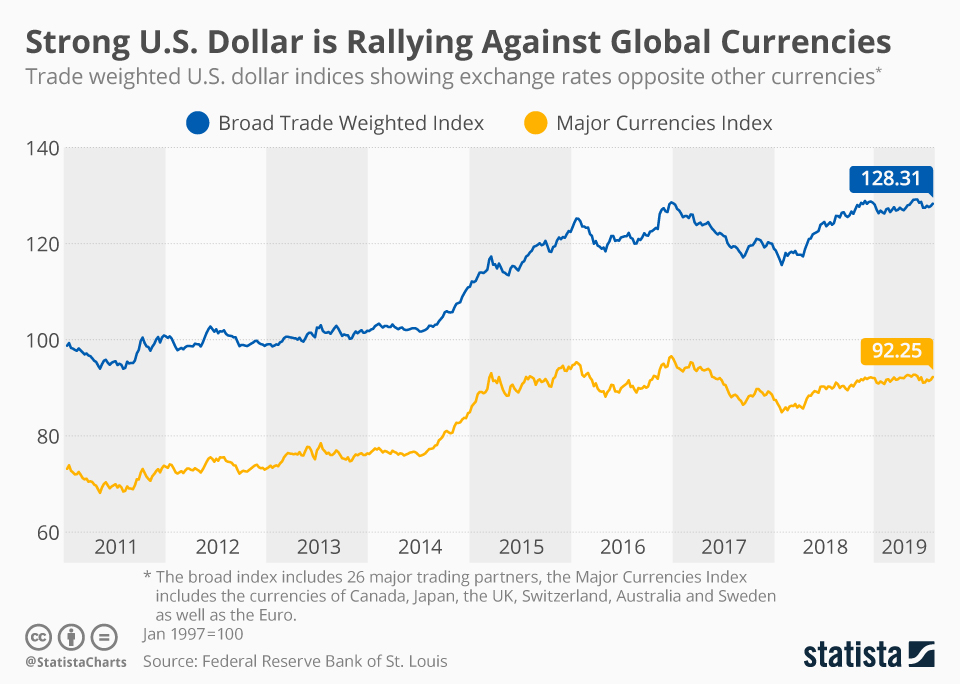
Recognizing Market Fads and Timing Your Deals
Market trends can be unforeseeable, comprehending their characteristics is necessary for optimizing buck buy-sell transactions. Investors and capitalists must acknowledge that market fluctuations are affected by various aspects, including economic indications, geopolitical events, and customer belief. By remaining notified about these aspects, people can better prepare for possible price activities and adjust their techniques as necessary.
Timing is likewise important; carrying out purchases at the ideal moment can considerably affect success. A well-timed buy can utilize reduced costs, while a strategic sell can maximize heights. Observing current trends and historic data enables traders to identify patterns that may indicate when to exit the market or enter.
Ultimately, a detailed grasp of market fads and timing improves the likelihood of effective transactions, enabling participants to navigate the intricacies of dollar buy-sell activities with greater confidence and effectiveness.
Utilizing Technical Analysis for Enlightened Choice Making
Comprehending market fads and timing transactions can be substantially enhanced via the application of technical evaluation. This logical approach includes examining historic price motions and trading volumes to determine patterns that can forecast future market habits. By using different charting indicators and devices, such as relocating standards and family member toughness index (RSI), capitalists can acquire understandings into potential entry and leave points for their dollar acquire offer deals.
Technical analysis enables traders to distinguish between short-term fluctuations and long-lasting trends, allowing them to make enlightened choices. By observing support and resistance degrees, they can evaluate market view and establish suitable trading approaches. In addition, recognizing patterns such as head and shoulders or double bottoms can signify possible turnarounds or extensions. Eventually, leveraging technological evaluation outfits financiers with an organized approach to browse the complexities of the marketplace, improving their potential for making the most of revenues in buck purchase offer transactions.
Implementing Dollar-Cost Averaging for Consistent Financial Investment
Executing dollar-cost averaging (DCA) can provide a regimented strategy to investing, especially in volatile markets. This technique includes consistently spending a repaired quantity of money at regular periods, no matter of market conditions. By doing so, financiers can lower the effect of market changes on their overall financial investment profile.

Additionally, by dedicating to an established financial investment timetable, people can avoid the risks of trying to time the marketplace, which frequently leads to missed chances. Generally, DCA cultivates a behavior of normal investing, aligning with a method targeted at constant development and prospective profit maximization over time
Leveraging Stop-Loss and Take-Profit Approaches
Effective monitoring of financial investment threat can noticeably enhance trading outcomes, and leveraging stop-loss and take-profit strategies is a crucial component of this technique. Stop-loss orders immediately offer a safety when it gets to a fixed price, decreasing potential losses and providing a safeguard for traders. This proactive procedure allows financiers to manage their danger direct exposure without constant monitoring.
On the various other hand, take-profit orders lock in gains by selling a security once it strikes a defined cost target - Dollar Buy Sell. This strategy assures that investors can take advantage of on upward rate movements while preventing the risks of emotional decision-making. By developing clear exit points via these techniques, investors can maintain technique and follow their trading strategies. Eventually, the effective use stop-loss and take-profit approaches not just shields capital but also Learn More assists in maximizing success during buck buy-sell purchases
The Importance of Diversity in Buck Buy Offer Purchases
While some investors might concentrate solely on particular properties, the relevance of diversity in dollar buy-sell deals can not be overemphasized. Diversification entails spreading financial investments across different possession courses, markets, or geographical regions to decrease danger. By branching out, investors can alleviate the recommended you read influence of bad efficiency in any type of solitary investment, as gains in various other areas can help balance out losses.
Additionally, a well-diversified profile is most likely to generate consistent returns with time. It enables investors to profit from different market problems, as numerous properties generally react in a different way to economic modifications. This approach not just minimizes threat however also enhances the possibility for revenue maximization.
In the context of buck buy-sell transactions, diversity can bring about better liquidity and adaptability. As market characteristics rise and fall, having a diversified approach enables investors to adjust promptly, making educated decisions that align with their total investment goals.
Often Asked Inquiries
How Do Taxes Impact My Dollar Get Market Purchases?
Tax obligations significantly influence buck buy-sell transactions by lowering internet profits through resources gains taxes. The timing of sales and private tax brackets likewise influence general returns, compelling capitalists to strategize accordingly for suitable monetary results.
What Are the Common Errors to Stay Clear Of in Dollar Purchases?
Common mistakes in dollar transactions consist of failing to track costs, disregarding market trends, overlooking costs, not diversifying financial investments, and making impulsive choices. Understanding of these mistakes can enhance decision-making and improve overall purchase end results.
Exactly How Can I Track My Financial Investment Efficiency Properly?
To track investment performance effectively, one should utilize financial software program or spreadsheets, regularly review account declarations, examine profile diversity, and criteria against relevant indices to assess returns and make educated changes to techniques.
Are There Specific Trading Systems Suggested for Dollar Transactions?
A number of trading platforms are advised for buck deals, consisting of copyright, E * TRADE, and TD Ameritrade. These platforms use straightforward user interfaces, low costs, and robust tools, making them ideal for both beginner and seasoned investors.
What Resources Can I Make Use Of for Ongoing Market Education?
Numerous sources exist for ongoing market education and learning, including on-line training courses, More hints webinars, economic information web sites, podcasts, and investment books. Engaging with these materials assists people remain notified and improve their trading knowledge and methods successfully.
Market trends play a critical function in timing deals efficiently. Market fads can be unforeseeable, understanding their dynamics is vital for optimizing buck buy-sell transactions. Dollar Buy Sell. Recognizing market trends and timing transactions can be greatly improved through the application of technical analysis. While some investors may concentrate solely on specific possessions, the importance of diversification in buck buy-sell purchases can not be overemphasized. Typical blunders in dollar transactions consist of falling short to track expenditures, neglecting market patterns, ignoring costs, not branching out investments, and making spontaneous decisions